


Watch the video and hear what three of our GC2022 finalists had to say about this!
In the face of intensifying global social and environmental emergencies, ever more local communities are building much-needed schools, housing and other projects for themselves.
However, all too often, they lack access to the right professional architectural expertise, and resources, to realise their project.
Our mission is to connect the most impactful and sustainable community projects worldwide with our global network of 60K+ architectural professionals and resource partners.
By matching the right expertise and resources with the right project, we're building a world in which architecture serves the many — not just a privileged few.
We foster inclusive architecture practices called 'Do-it-Together'
To meet global health, humanitarian & sustainability goals
You are not alone! Join fellow architects and building professionals looking to Do-it-Together.
Donate your expertise and skills to self-build community projects in need, in rural and urban areas around the world.
Our community members and ambassadors collaborate and create new connections — across five continents.

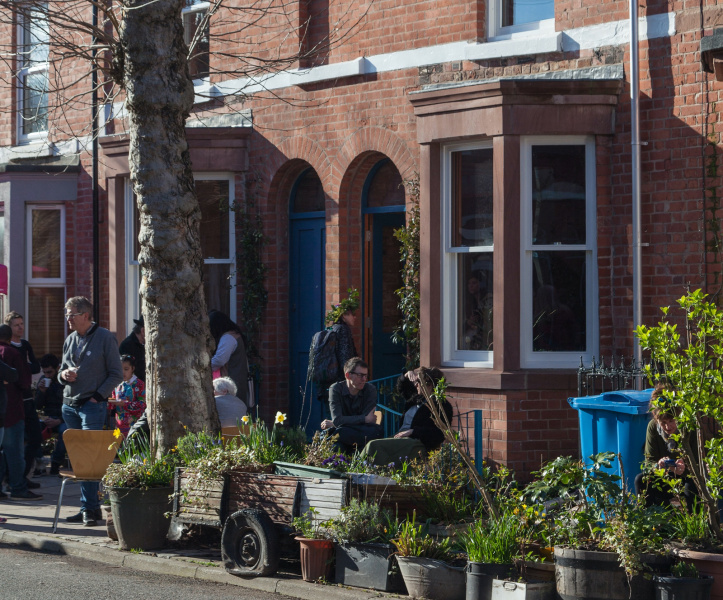
After several decades of top-down planning to regenerate this run-down neighborhood in Liverpool, it was a bottom-up approach led by the local residents that made the difference.
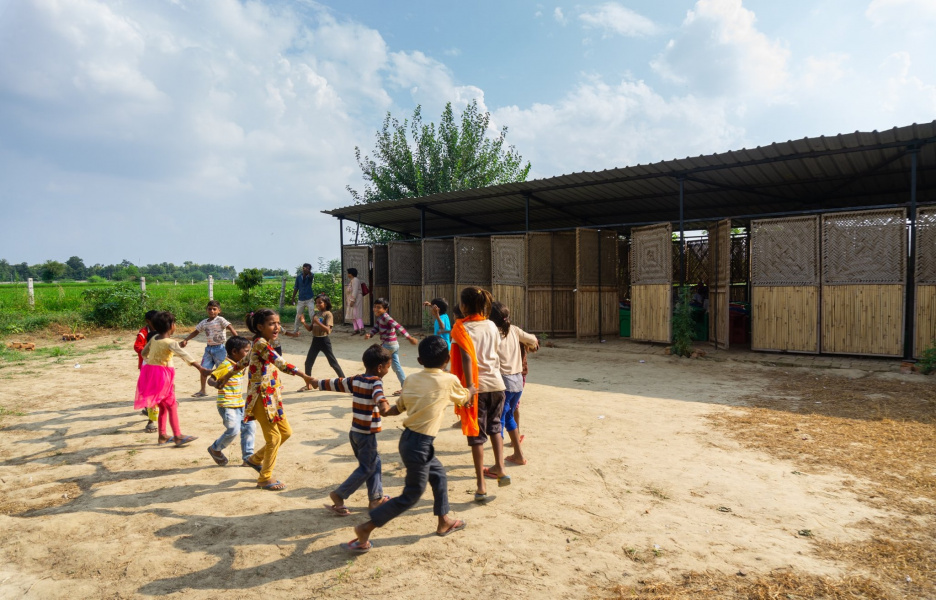
In one of Delhi’s slums, local community activists, leaders, architects have joined forces to build back a school that responds to future evacuations and climate conditions.
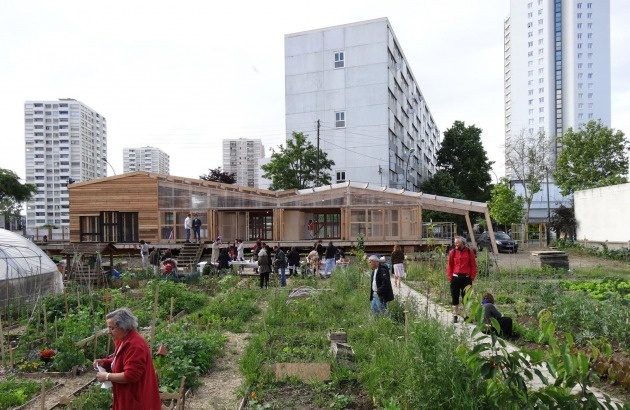
R-urban proposes a strategy that catalyses a bottom up, collective (re)construction of the Commons in our cities, rather than an architectural solution. Focusing on sustainable urban living, R-urban directly involves the community around common resources and facilitates self-managed placemaking.
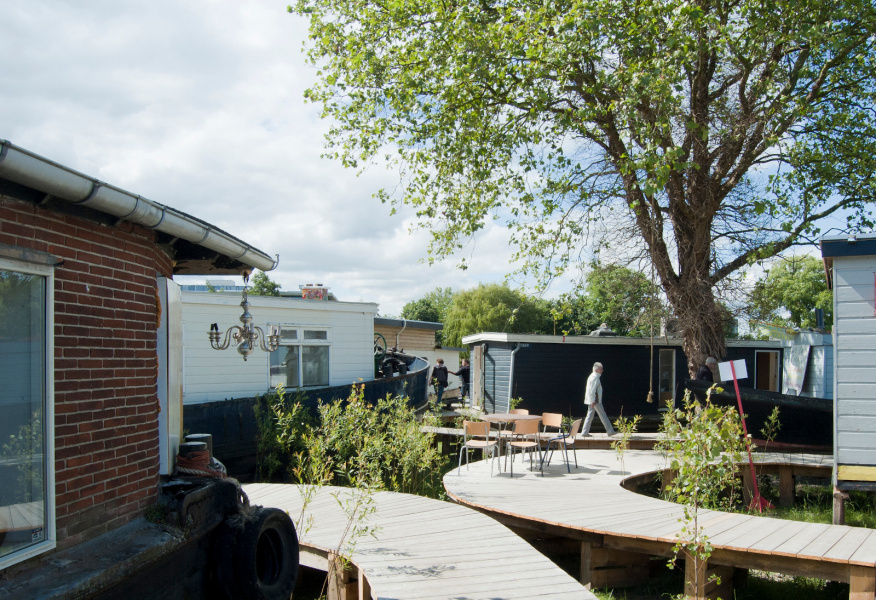
De Ceuvel is a clean tech playground located in Amsterdam, the Netherlands. Converted from an industrial wasteland, today it is home to a thriving community of entrepreneurs and artists.

In an informal settlement in Bogotá, local community and experts have collaborated to revive a community gathering place, El Tr3bol, that has become a vibrant community hub.
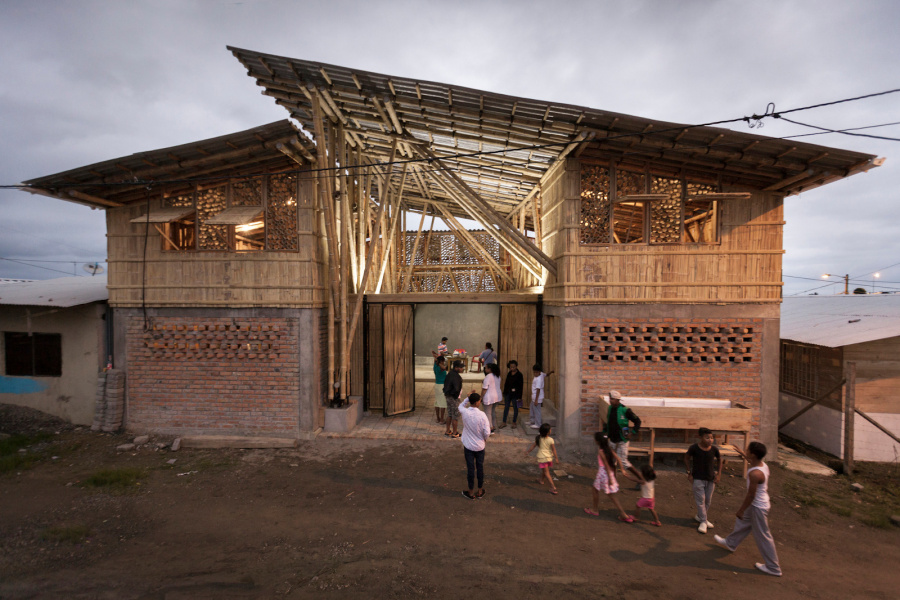
After the earthquake in April 2016, local residents, civil society organizations and academia collaborated to rebuild this Afro-Ecuadorian cultural house in San Jose de Chamanga.


We asked our 2021 Global Challenge project leaders and board of experts where the GC accelerator had contributed the most value.
Watch the video and hear what they said!





Thanks to the kind support of our #GC2022 Partners, we’re accelerating the development of architectural projects with the radical potential to improve the lives of rural and/or urban communities world-wide.


Our sponsors directly and sustainably improve the lives of rural and/ or urban communities around the world.
We asked our 2021 Global Challenge project leaders and board of experts where the GC accelerator had contributed the most value.
Watch the video and hear what they said!


